
What is Software Outsourcing and How Much Does it Cost?
Discover the costs and benefits of software outsourcing in our ultimate guide. Gain insights into the pros and cons, pricing models, and tips for successful outsourcing. Maximize your efficiency and productivity with this comprehensive resource.

What is Software Outsourcing and How Much Does it Cost?
Discover the costs and benefits of software outsourcing in our ultimate guide. Gain insights into the pros and cons, pricing models, and tips for successful outsourcing. Maximize your efficiency and productivity with this comprehensive resource.
Contents
Imagine having the power to tap into a global pool of highly skilled and specialized software developers, while reducing costs and enhancing your business’s flexibility. Sounds like a dream come true, right? Well, with software outsourcing, this dream can become a reality.
Software Outsourcing
Before we delve into the fascinating world of software outsourcing, let’s define what it actually entails. In a nutshell, software outsourcing is the practice of entrusting a third-party company, often located in a different country or region, with the development, maintenance, and support of your software applications.
When it comes to software outsourcing, there are typically three main parties involved: the client who requires the software, the outsourcing company that acts as an intermediary, and the offshore development team responsible for carrying out the software development tasks.
Software outsourcing can take various forms depending on the geographical proximity between the client and the outsourcing company. Onshore outsourcing refers to the practice of hiring a software development company within the same country, nearshore outsourcing involves partnering with a company in a nearby country, and offshore outsourcing entails collaborating with a company in a more distant location.

Advantages of Software Outsourcing
Software outsourcing can bring a plethora of benefits to businesses of all sizes. Let’s take a closer look at some of the key advantages:
First and foremost, software outsourcing opens the door to a global talent pool. By engaging with top-notch developers from around the world, businesses gain access to specialized skills, diverse perspectives, and innovative approaches. This allows for the development of high-quality, cutting-edge software solutions.
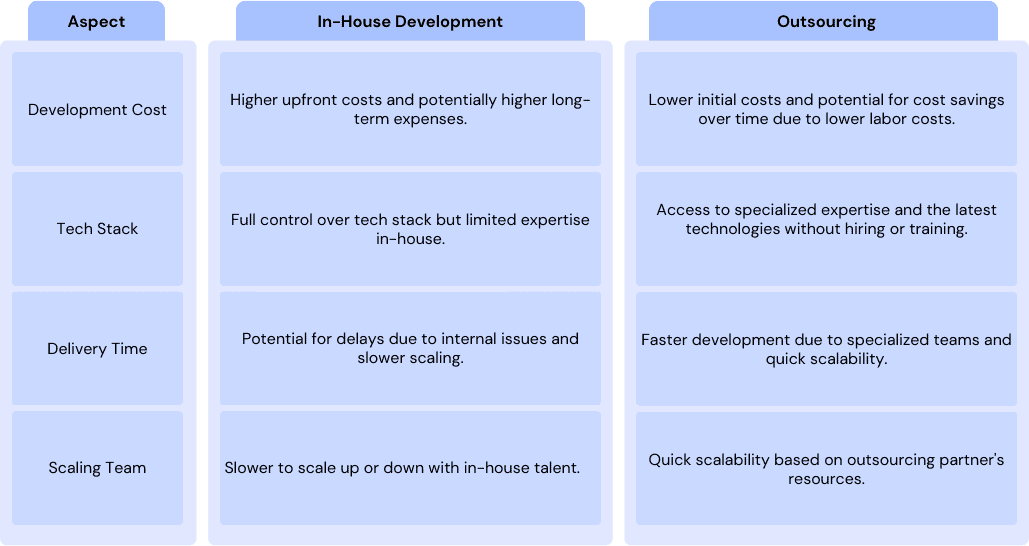
Cost savings are another significant advantage of software outsourcing. By entrusting the development tasks to an external company, businesses can avoid the costs associated with maintaining an in-house development team, such as salaries, office space, and equipment. Moreover, outsourcing to countries with lower labor costs can result in considerable savings without compromising on quality.
Furthermore, software outsourcing offers businesses increased flexibility and scalability. With an external team taking care of the development process, businesses can allocate their internal resources to other critical projects and initiatives. Additionally, outsourcing allows for the scaling up or down of development capacity based on the business’s evolving needs.
Addressing concerns related to quality control is paramount in software outsourcing. While some may worry about the potential loss of control, advancements in project management methodologies and technologies have made it easier than ever to maintain effective communication and ensure adherence to the desired quality standards. It is crucial, however, to carefully select a reliable outsourcing partner who communicates effectively and transparently.
Factors Influencing the Cost of Software Outsourcing
One of the primary factors that impact the cost of software outsourcing is the complexity and scope of the project. The larger and more intricately designed the software application, the more resources and time are required to develop it.
When considering the scope, it is essential to establish clear requirements and specifications to avoid any misunderstandings and scope creep during the development process. Having a well-defined project scope allows for accurate cost estimation and minimizes the risk of unexpected additional expenses.
Two common pricing models used in software outsourcing are fixed-price contracts and time and material contracts. The fixed-price model involves agreeing on a set fee for the completion of the entire project, while the time and material model involves paying for the actual time and resources utilized throughout the development process.
Location and Geographic Considerations
Another factor that significantly affects software outsourcing costs is the geographic location of the outsourcing company. Different regions and countries have varying labor costs and living standards, which directly impact the prices of outsourcing services.
For example, countries in Asia, such as India, the Philippines, and Vietnam, are renowned for providing cost-effective development services. On the other hand, Eastern European countries like Ukraine and Poland offer a unique combination of high-quality development skills at relatively lower rates compared to the western regions.
It is important to strike a balance between cost-saving opportunities and quality when choosing an outsourcing location. While lower costs may be enticing, it is crucial to assess the skills, language proficiency, cultural compatibility, and time zone differences before making a decision.
Skillset and Experience of the Development Team
The skillset and experience of the development team have a direct impact on the cost of software outsourcing. Highly skilled and experienced developers typically come at a higher cost, but their expertise often translates into better-quality software solutions.
The level of expertise required for a project depends on its technological complexity and specific requirements. For instance, developing an Artificial Intelligence-driven application would require developers with in-depth knowledge and experience in AI technologies.
When considering software outsourcing, it is crucial to evaluate the capabilities and portfolio of the development team to ensure they have the necessary skills to deliver the desired outcomes. Balancing cost and skillset is essential for finding the perfect match.
Project Management and Communication Requirements
Effective project management and communication are vital for successful software outsourcing. However, these aspects also contribute to the overall cost of the outsourcing arrangement.
Assigning a dedicated project manager from the outsourcing company ensures smooth coordination, timely delivery, and effective communication throughout the development process. The project manager oversees the progress, facilitates communication between the client and the development team, and ensures that the project meets the specified requirements.
Additionally, project management tools, collaboration platforms, and documentation requirements may incur additional costs. These expenses are necessary for establishing proper communication channels, tracking progress, and ensuring alignment between the client and the development team throughout the software development lifecycle.
Estimating Software Outsourcing Costs
The two common pricing models used in software outsourcing are fixed-price contracts and time and material contracts.
Fixed-price contracts involve negotiating a predetermined price for the entire project. This model is ideal for well-defined projects with clear requirements and limited changes expected during the development process.
On the other hand, time and material contracts involve paying for the actual time and resources utilized during the development process. This model offers flexibility, allowing for changes and refinements throughout the project. It works best when the project requirements are dynamic or when an iterative development approach, such as Agile, is adopted.
Cost Breakdown of Software Outsourcing
Breaking down the costs of software outsourcing provides a clearer understanding of how the budget is allocated. The cost breakdown typically consists of development costs, testing costs, project management costs, and other associated expenses.
Development costs encompass all the activities involved in creating the software application, including coding, design, integration, and deployment. Testing costs encompass quality assurance and testing activities to ensure the software functions as intended.
Project management costs include the expenses associated with overseeing and managing the development efforts. This includes the project manager’s salary or fees, coordination activities, and any tools or software required for effective project management and communication.
Other associated expenses may include legal and contractual fees, infrastructure costs, and any additional services required, such as technical support or maintenance after the software application has been delivered.
Real-life Cost Examples
Here are a few real-life examples to provide a better sense of the costs involved in software outsourcing. It is important to note that these examples are approximate and can vary depending on the specific requirements and circumstances of each project:
- A small-scale web application development project may cost around $10,000 to $30,000.
- A medium-sized mobile application development project can range from $30,000 to $100,000.
- A large-scale enterprise software development project can cost anywhere from $100,000 to several million dollars.
These cost ranges can be influenced by various factors such as project complexity, chosen pricing model, geographic location, and development team’s skillset and experience.
Software outsourcing can be a game-changer for businesses looking to leverage global talent, reduce costs, and enhance flexibility. By understanding the factors that influence the cost of software outsourcing and evaluating the associated benefits, businesses can make informed decisions.
Remember, choosing the right outsourcing partner is crucial. Careful consideration of project complexity, geographic location, skillset, and effective project management and communication are the keys to a successful software outsourcing journey. Embrace the possibilities that software outsourcing offers and elevate your business’s potential in the digital era.
Contents
Imagine having the power to tap into a global pool of highly skilled and specialized software developers, while reducing costs and enhancing your business’s flexibility. Sounds like a dream come true, right? Well, with software outsourcing, this dream can become a reality.
Software Outsourcing
Before we delve into the fascinating world of software outsourcing, let’s define what it actually entails. In a nutshell, software outsourcing is the practice of entrusting a third-party company, often located in a different country or region, with the development, maintenance, and support of your software applications.
When it comes to software outsourcing, there are typically three main parties involved: the client who requires the software, the outsourcing company that acts as an intermediary, and the offshore development team responsible for carrying out the software development tasks.
Software outsourcing can take various forms depending on the geographical proximity between the client and the outsourcing company. Onshore outsourcing refers to the practice of hiring a software development company within the same country, nearshore outsourcing involves partnering with a company in a nearby country, and offshore outsourcing entails collaborating with a company in a more distant location.
Advantages of Software Outsourcing
Software outsourcing can bring a plethora of benefits to businesses of all sizes. Let’s take a closer look at some of the key advantages:
First and foremost, software outsourcing opens the door to a global talent pool. By engaging with top-notch developers from around the world, businesses gain access to specialized skills, diverse perspectives, and innovative approaches. This allows for the development of high-quality, cutting-edge software solutions.
Cost savings are another significant advantage of software outsourcing. By entrusting the development tasks to an external company, businesses can avoid the costs associated with maintaining an in-house development team, such as salaries, office space, and equipment. Moreover, outsourcing to countries with lower labor costs can result in considerable savings without compromising on quality.
Furthermore, software outsourcing offers businesses increased flexibility and scalability. With an external team taking care of the development process, businesses can allocate their internal resources to other critical projects and initiatives. Additionally, outsourcing allows for the scaling up or down of development capacity based on the business’s evolving needs.
Addressing concerns related to quality control is paramount in software outsourcing. While some may worry about the potential loss of control, advancements in project management methodologies and technologies have made it easier than ever to maintain effective communication and ensure adherence to the desired quality standards. It is crucial, however, to carefully select a reliable outsourcing partner who communicates effectively and transparently.
Factors Influencing the Cost of Software Outsourcing
One of the primary factors that impact the cost of software outsourcing is the complexity and scope of the project. The larger and more intricately designed the software application, the more resources and time are required to develop it.
When considering the scope, it is essential to establish clear requirements and specifications to avoid any misunderstandings and scope creep during the development process. Having a well-defined project scope allows for accurate cost estimation and minimizes the risk of unexpected additional expenses.
Two common pricing models used in software outsourcing are fixed-price contracts and time and material contracts. The fixed-price model involves agreeing on a set fee for the completion of the entire project, while the time and material model involves paying for the actual time and resources utilized throughout the development process.
Location and Geographic Considerations
Another factor that significantly affects software outsourcing costs is the geographic location of the outsourcing company. Different regions and countries have varying labor costs and living standards, which directly impact the prices of outsourcing services.
For example, countries in Asia, such as India, the Philippines, and Vietnam, are renowned for providing cost-effective development services. On the other hand, Eastern European countries like Ukraine and Poland offer a unique combination of high-quality development skills at relatively lower rates compared to the western regions.
It is important to strike a balance between cost-saving opportunities and quality when choosing an outsourcing location. While lower costs may be enticing, it is crucial to assess the skills, language proficiency, cultural compatibility, and time zone differences before making a decision.
Skillset and Experience of the Development Team
The skillset and experience of the development team have a direct impact on the cost of software outsourcing. Highly skilled and experienced developers typically come at a higher cost, but their expertise often translates into better-quality software solutions.
The level of expertise required for a project depends on its technological complexity and specific requirements. For instance, developing an Artificial Intelligence-driven application would require developers with in-depth knowledge and experience in AI technologies.
When considering software outsourcing, it is crucial to evaluate the capabilities and portfolio of the development team to ensure they have the necessary skills to deliver the desired outcomes. Balancing cost and skillset is essential for finding the perfect match.
Project Management and Communication Requirements
Effective project management and communication are vital for successful software outsourcing. However, these aspects also contribute to the overall cost of the outsourcing arrangement.
Assigning a dedicated project manager from the outsourcing company ensures smooth coordination, timely delivery, and effective communication throughout the development process. The project manager oversees the progress, facilitates communication between the client and the development team, and ensures that the project meets the specified requirements.
Additionally, project management tools, collaboration platforms, and documentation requirements may incur additional costs. These expenses are necessary for establishing proper communication channels, tracking progress, and ensuring alignment between the client and the development team throughout the software development lifecycle.
Estimating Software Outsourcing Costs
The two common pricing models used in software outsourcing are fixed-price contracts and time and material contracts.
Fixed-price contracts involve negotiating a predetermined price for the entire project. This model is ideal for well-defined projects with clear requirements and limited changes expected during the development process.
On the other hand, time and material contracts involve paying for the actual time and resources utilized during the development process. This model offers flexibility, allowing for changes and refinements throughout the project. It works best when the project requirements are dynamic or when an iterative development approach, such as Agile, is adopted.
Cost Breakdown of Software Outsourcing
Breaking down the costs of software outsourcing provides a clearer understanding of how the budget is allocated. The cost breakdown typically consists of development costs, testing costs, project management costs, and other associated expenses.
Development costs encompass all the activities involved in creating the software application, including coding, design, integration, and deployment. Testing costs encompass quality assurance and testing activities to ensure the software functions as intended.
Project management costs include the expenses associated with overseeing and managing the development efforts. This includes the project manager’s salary or fees, coordination activities, and any tools or software required for effective project management and communication.
Other associated expenses may include legal and contractual fees, infrastructure costs, and any additional services required, such as technical support or maintenance after the software application has been delivered.
Real-life Cost Examples
Here are a few real-life examples to provide a better sense of the costs involved in software outsourcing. It is important to note that these examples are approximate and can vary depending on the specific requirements and circumstances of each project:
- A small-scale web application development project may cost around $10,000 to $30,000.
- A medium-sized mobile application development project can range from $30,000 to $100,000.
- A large-scale enterprise software development project can cost anywhere from $100,000 to several million dollars.
These cost ranges can be influenced by various factors such as project complexity, chosen pricing model, geographic location, and development team’s skillset and experience.
Software outsourcing can be a game-changer for businesses looking to leverage global talent, reduce costs, and enhance flexibility. By understanding the factors that influence the cost of software outsourcing and evaluating the associated benefits, businesses can make informed decisions.
Remember, choosing the right outsourcing partner is crucial. Careful consideration of project complexity, geographic location, skillset, and effective project management and communication are the keys to a successful software outsourcing journey. Embrace the possibilities that software outsourcing offers and elevate your business’s potential in the digital era.